
Wenningstedt, The Settlement of the Winne Clan
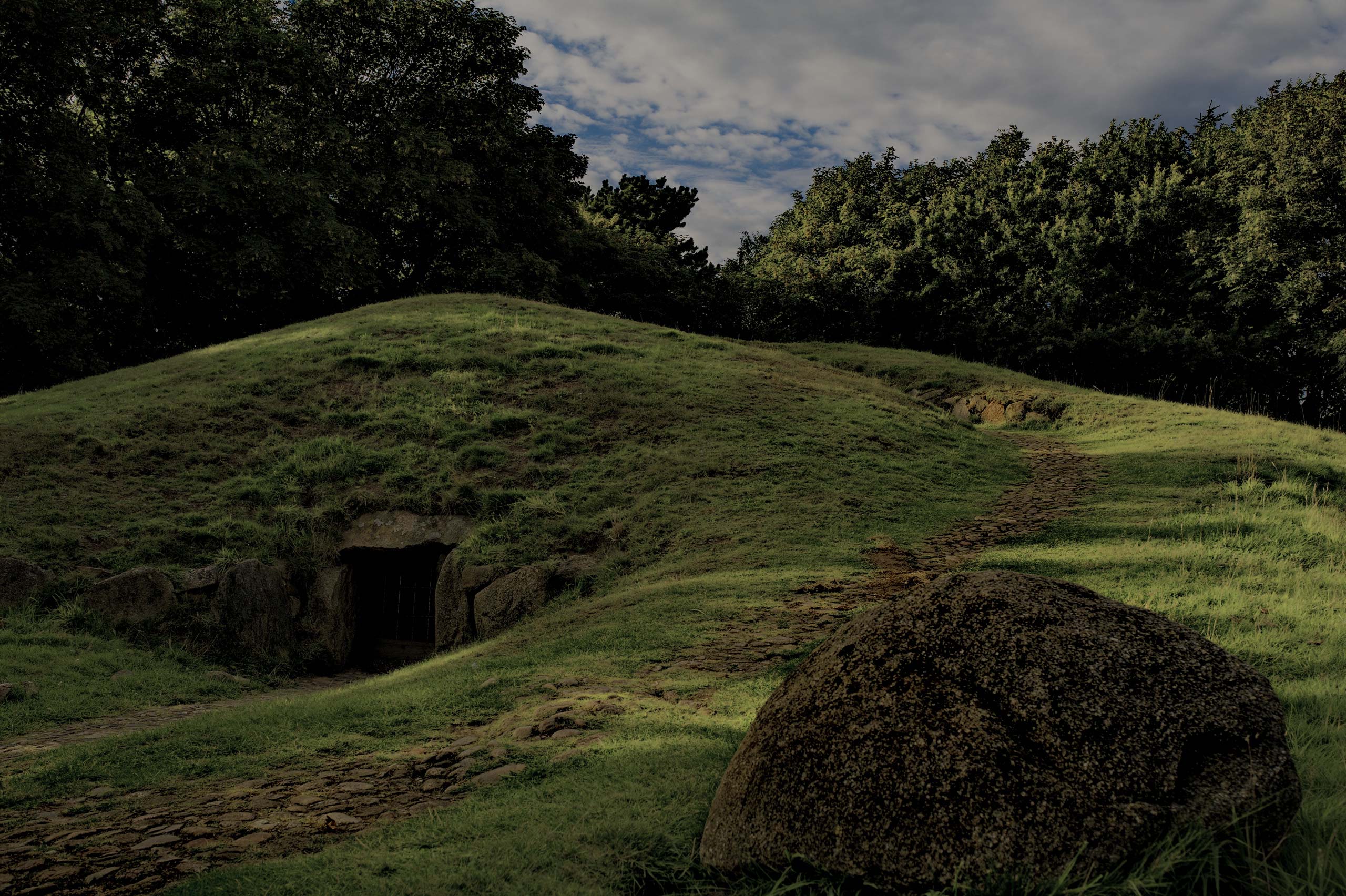
Wenningstedt, a picturesque seaside resort on the German island of Sylt in the North Sea, traces its prehistoric roots to around 3000 BC through the remarkable Denghoog, a Neolithic passage grave that stands as one of the best-preserved megalithic monuments in northern Europe and the most intact Ganggrab in Schleswig-Holstein. Built by early farming communities of the Funnelbeaker culture (Trichterbecherkultur) during the Middle Neolithic period (approximately 3200–2800 BC), the Denghoog consists of an oval chamber roughly 5 meters long and 3 meters wide, supported by twelve massive glacial erratic boulders—some weighing up to 20 tons each, transported from Scandinavia during the Ice Age—and capped by three enormous roof slabs, all enveloped in a 3.5-meter-high artificial mound originally covered in earth and now restored to its ancient form. Excavated first in 1868 by geologist Ferdinand Wibel, who uncovered funnelbeaker pottery, flint tools, axes, amber beads, and human bones indicating repeated burials over generations, the site served as a collective tomb for families or clans, reflecting beliefs in an afterlife and territorial claims on the then-larger geestland landscape before Sylt became an island in the 1362 Grote Mandrenke flood.
The Winne Journey
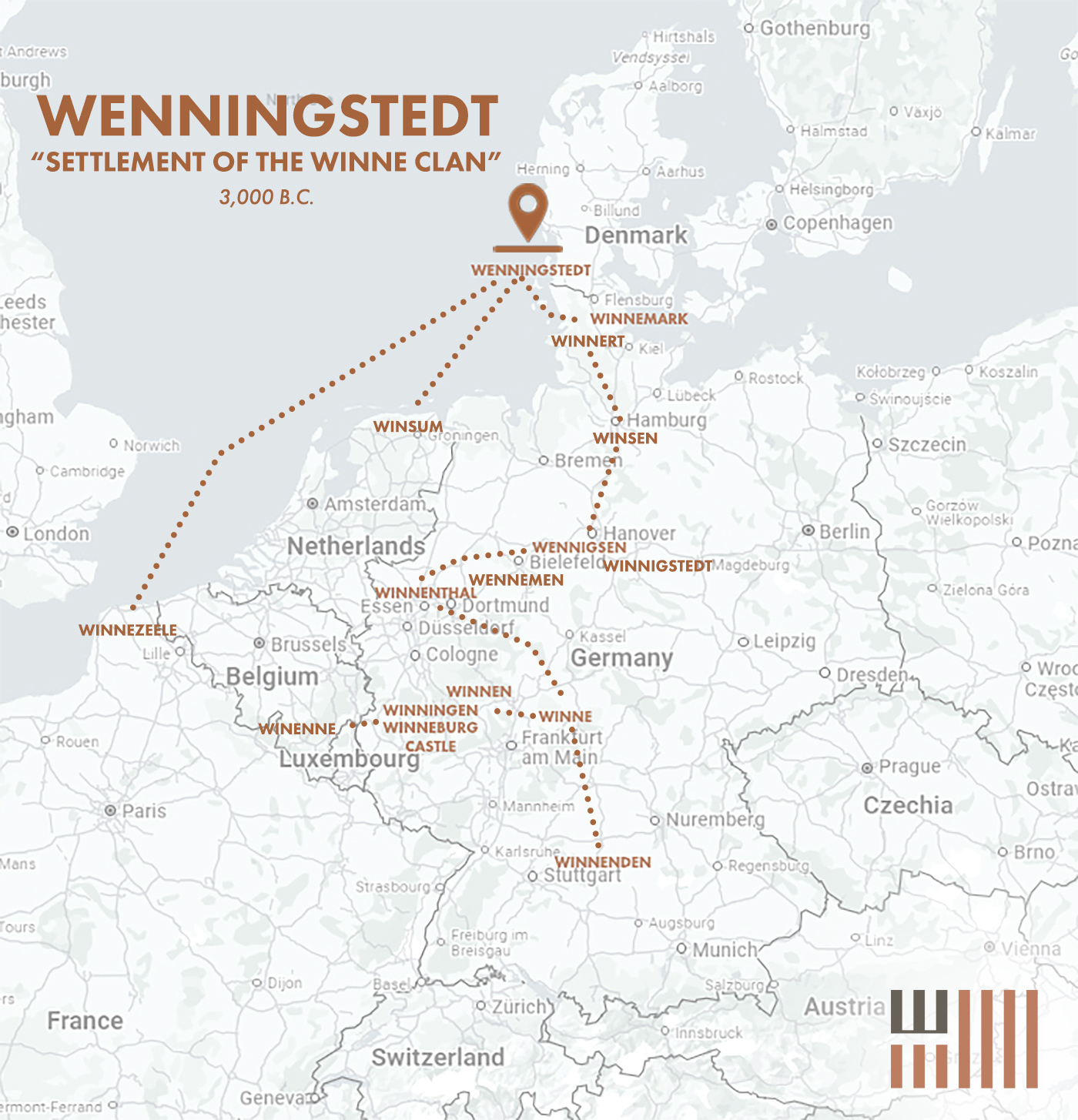
Imagine this: Around 3,000 BC, the resilient Winne Clan establishes their first settlement in Wenningstedt on the windswept North Sea coast of what’s now Sylt, Germany—a rugged outpost amid the dunes and waves, marking the dawn of their seafaring legacy. From there, driven by trade, exploration, and the call of fertile lands, they embark on a monumental migration southward, weaving a tapestry of villages across Denmark and Germany that still echo their name today.
Starting in Denmark, the clan fans out from Wenningstedt, hugging the coasts and pushing inland. They plant roots in Winsum (near modern Flensburg), then cross into the heart of Jutland: Aarhus, Billund, and Herning become thriving hubs. As they venture deeper into Germany, the trail blazes through Schleswig-Holstein—Winnemark, Winsen, and Husum—before snaking along the North Sea shores into the Netherlands: Winsum, Amsterdam, and Leeuwarden (a key early foothold in Friesland). Not forgetting the inland push: From Hamburg and Bremen, they carve paths to Hannover, Osnabrück, and Münster, blending coastal grit with continental ambition.
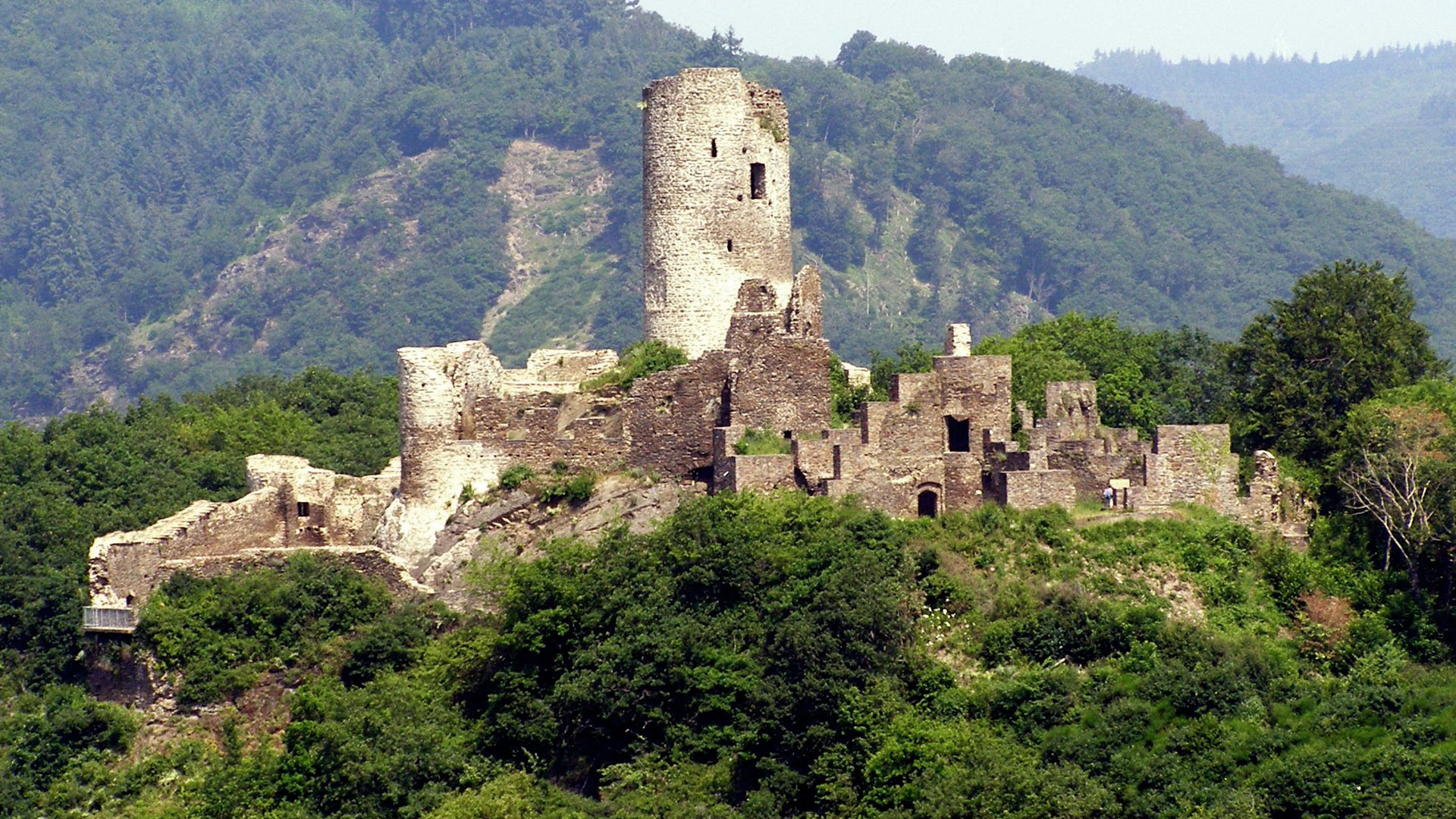
But the real pinnacle? Their southward odyssey through Westphalia and the Rhineland: Dortmund, Essen, Cologne, and Koblenz, where they establish enduring outposts like Winne in the Eifel hills. Culminating in the majestic Winneburg Castle near Cochem on the Moselle River—built around 1240 AD by the Lords of Winneburg as a fortress of power and prestige. This medieval stronghold, with its towering keep and grand halls (now evocative ruins after French forces blew it up in 1689), symbolized the clan’s unyielding spirit and control over vital trade routes.
Yet, the story circles back north in a poetic full loop. After centuries of southern expansion, branches of the clan return to their Frisian cradle in Leeuwarden, Netherlands—reinforcing ties to the North Sea world that birthed them. Today, echoes of “Winne” dot the map from Sylt to the Moselle, a testament to a clan’s indomitable wanderlust.