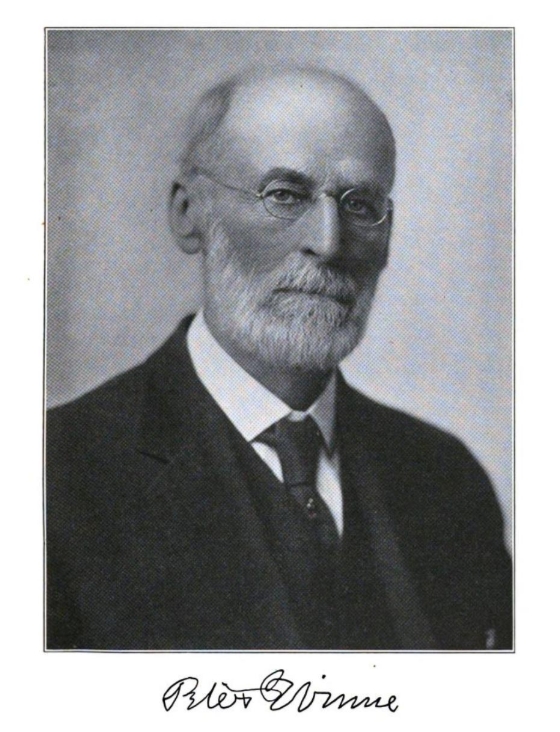

The story of Montana’s State Capitol is deeply intertwined with the vision and generosity of developer Peter Winne, whose strategic offer shaped the landscape of Helena and the state’s governmental history.
The journey began in 1864 when the Montana Territory joined the United States, with its first territorial capital briefly set in the mining town of Bannack before moving to Virginia City in 1865 and then to Helena in 1875, spurred by yet another mining boom. Montana achieved statehood in 1889, but the location of the permanent capital remained contentious, with referendums and public lobbying pitting Helena against towns like Anaconda. A decisive statewide vote in 1894 finally established Helena as the permanent capital, setting the stage for the construction of a fitting capitol building.
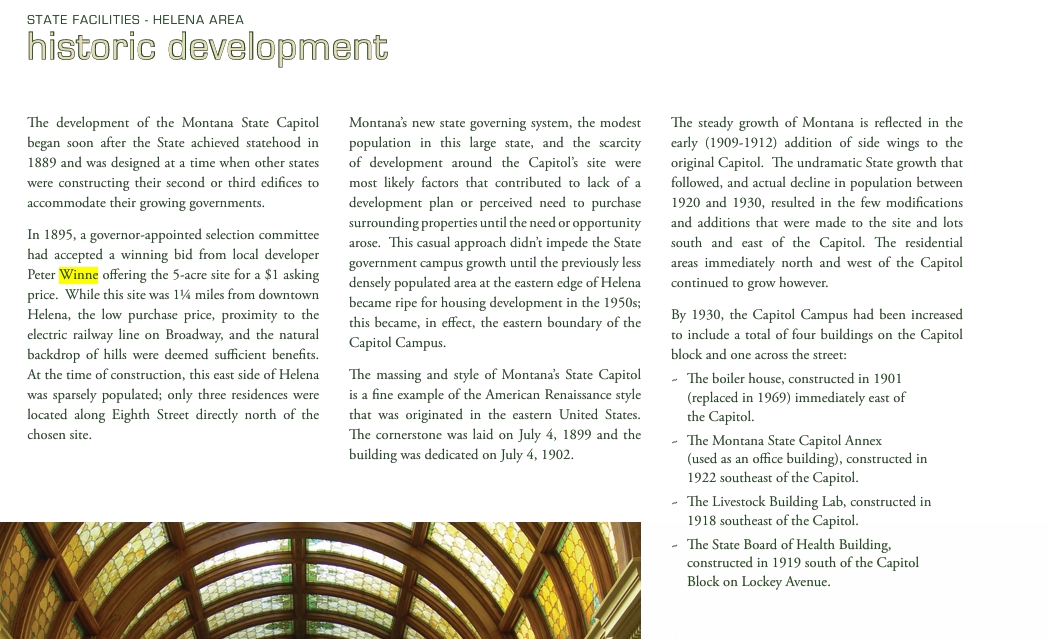
With the capital city settled, attention turned to selecting a site for the new capitol. Much of Helena’s population was concentrated on the west side, sprawling from Last Chance Gulch, the original mining find of 1864. Advocates initially pushed for a location on a nearby hill, now the site of Carroll College. However, a compelling alternative emerged from Peter Winne, a local developer who offered a free tract of land on the east side. This land, situated in a dominating high position above the surrounding valley, was a game-changer. In 1895, the Capitol Site Commission accepted Winne’s offer, choosing this 5-acre site over other options, despite its distance of 1¼ miles from downtown Helena. The low purchase price, proximity to the electric railway line on Broadway, and the natural backdrop of hills were deemed sufficient benefits.
At the time, the east side of Helena was sparsely populated, with only three residences located along Eighth Street north of the chosen site. The Montana Herald reported on August 30, 1895, that the decision in favor of the Winne site was finalized, marking a turning point. This selection not only reflected Winne’s foresight but also his contribution to the state’s development. His offer spurred expansion, transforming the area from fields into the heart of Montana’s governmental landscape. The groundbreaking ceremony followed in 1899, and the capitol building was dedicated on July 4, 1902, though the initial design proved inadequate, leading to expansions between 1909 and 1912.
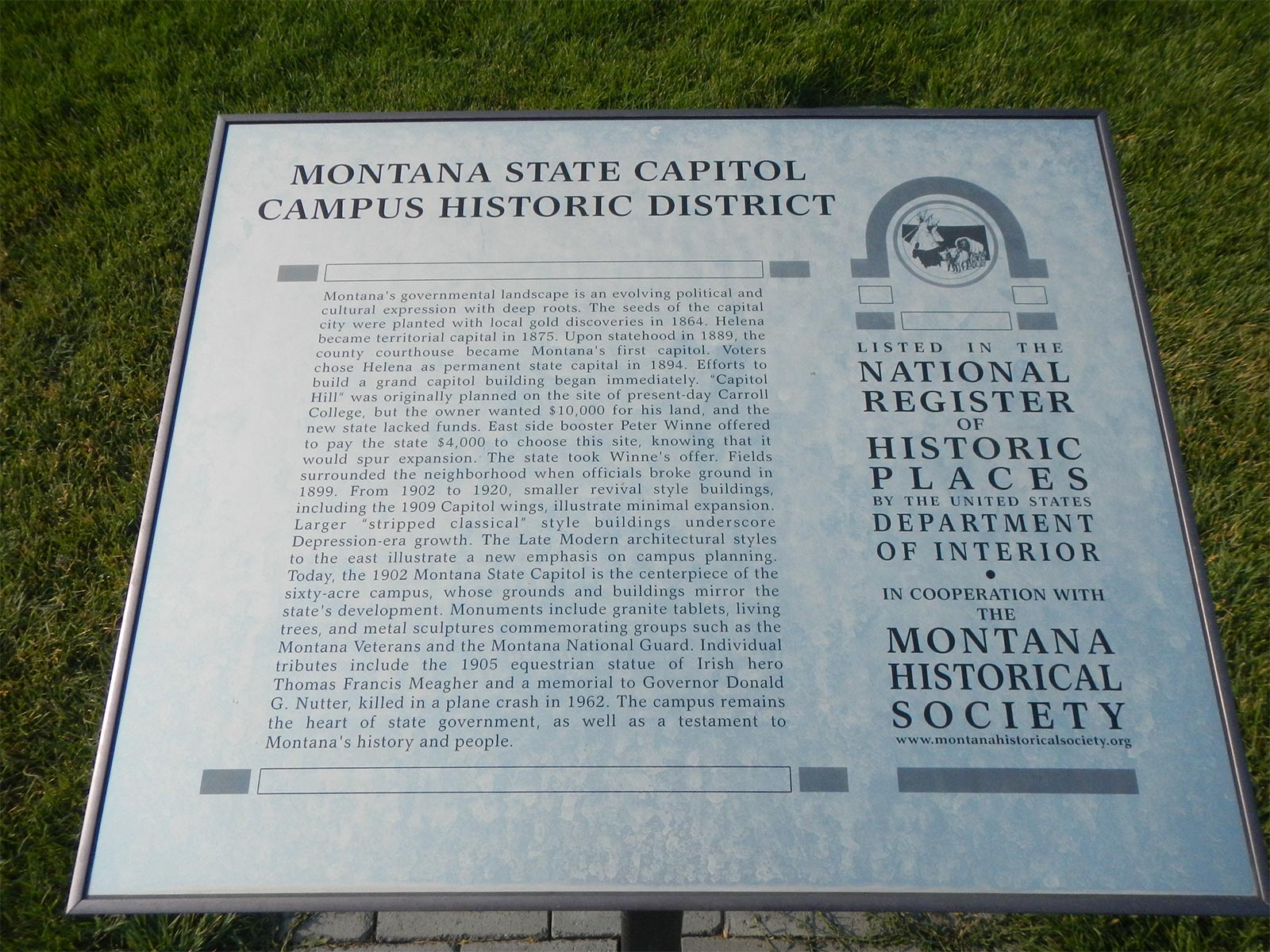
The Montana State Capitol Campus Historic District sign further illuminates Winne’s role. It notes that his $4,000 offer to influence the site selection outbid the $10,000 demanded by the Carroll College landowner, a move that underscored his strategic intent to boost the east side. This decision laid the foundation for a sixty-acre campus that evolved over time, reflecting Montana’s growth with additional buildings and monuments, including granite tablets and sculptures honoring veterans and historical figures.
The capitol itself, constructed in the American Renaissance style, stands as a testament to this early planning. The cornerstone was laid on July 4, 1899, and the building’s dedication in 1902 marked a modest beginning. However, the steady growth of Montana, evidenced by the addition of side wings between 1909 and 1912, and the campus’s expansion to include four buildings by 1930, highlight the lasting impact of Winne’s contribution. The campus, now a National Register of Historic Places listing, mirrors the state’s development, from the original capitol to modern additions like the Livestock Building and State Board of Health Building.
Peter Winne’s vision didn’t just provide a site; it catalyzed the creation of a governmental hub that has endured for over a century. His legacy is etched into the very fabric of Helena, where the capitol remains a symbol of Montana’s history and governance. As the state continues to evolve, the story of Winne and the capitol serves as a reminder of how individual initiative can shape a community’s future.